Roofing work in Riverside
One form covers all of it. What you tell us about the building and the timing is what decides which crews are a sensible match.
Be first in line
Three quick questions. Nobody is sent your details; we email you when a provider can help.
You are on the list.
No provider in Riverside is taking requests through this service yet. We are lining them up, and yours is kept until one can.
- Nobody gets your details yet. Your request stays with us and is not passed to any company.
- One email when someone can help. When a provider covering your area can take it on, we email you once and ask whether you want that company, by name, to contact you.
- Deleted after 90 days. If nobody can take it on, or you do not say yes, your contact details are deleted 90 days after your request.
- You decide, or you do not. There is nothing to cancel and nothing to pay us.
Nobody will call you about this request unless you say yes to a company by name.
The Riverside roof problem, specifically
Riverside is home to about 323,757 people across roughly 108 square miles of Riverside County. There is space between houses, which helps access and hurts nothing except the total area to cover.
The problem that comes up first here is sun, which does more here than rain ever will. Sun is the main wear here. Asphalt loses its oils, underlayment goes brittle, and sealant beads shrink away from the flashing.
Then, less dramatically: sudden dry winds that test every lifted edge on the roof. These winds are not constant, which is the problem. A roof gets nine quiet months and then one night at fifty miles an hour, and whatever was marginal goes.
That is the context every quote you get should reflect, and the reason a national price calculator will be wrong for your house.

Illustrative photographs of roofing work in general. Not photographs of jobs arranged through this site.
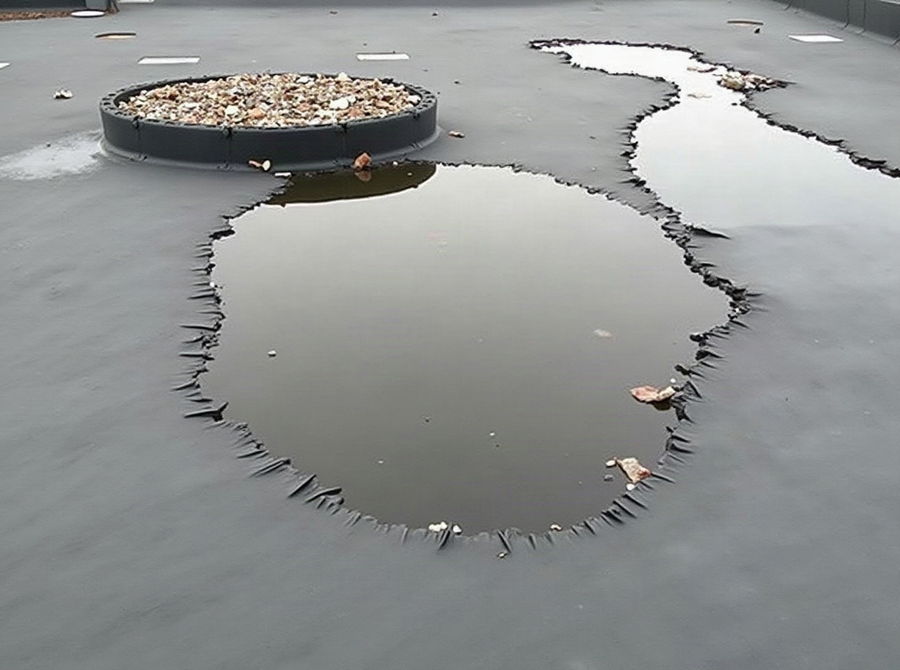
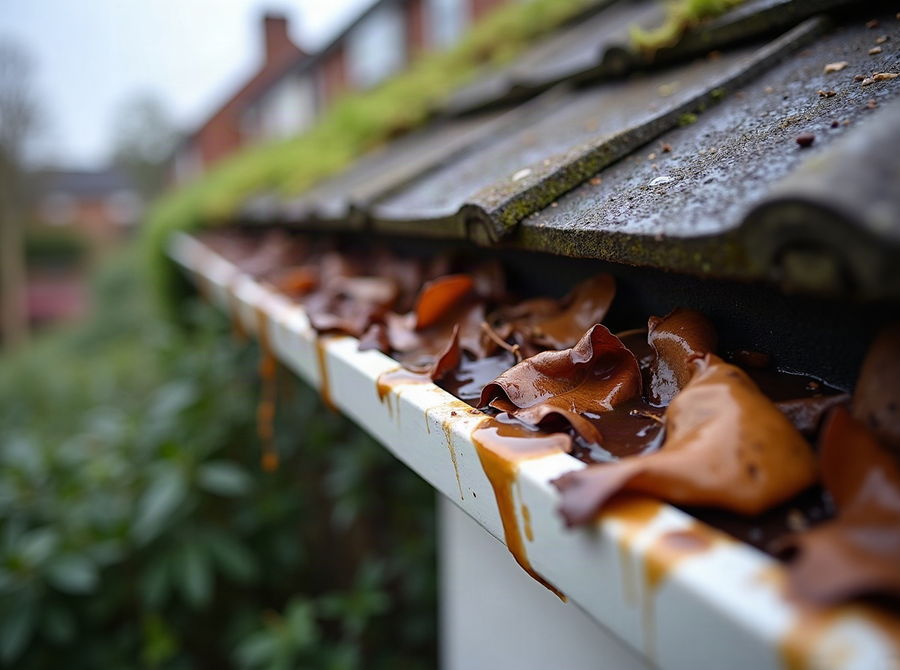
Illustrative photographs of roofing work in general. Not photographs of jobs arranged through this site.
UV load and thermal cycling
Sun is the main wear here. Asphalt loses its oils, underlayment goes brittle, and sealant beads shrink away from the flashing.
Offshore wind events
These winds are not constant, which is the problem. A roof gets nine quiet months and then one night at fifty miles an hour, and whatever was marginal goes.
Ember and wildfire exposure
Class A assemblies and closed-off vents matter more here than the colour of the shingle.